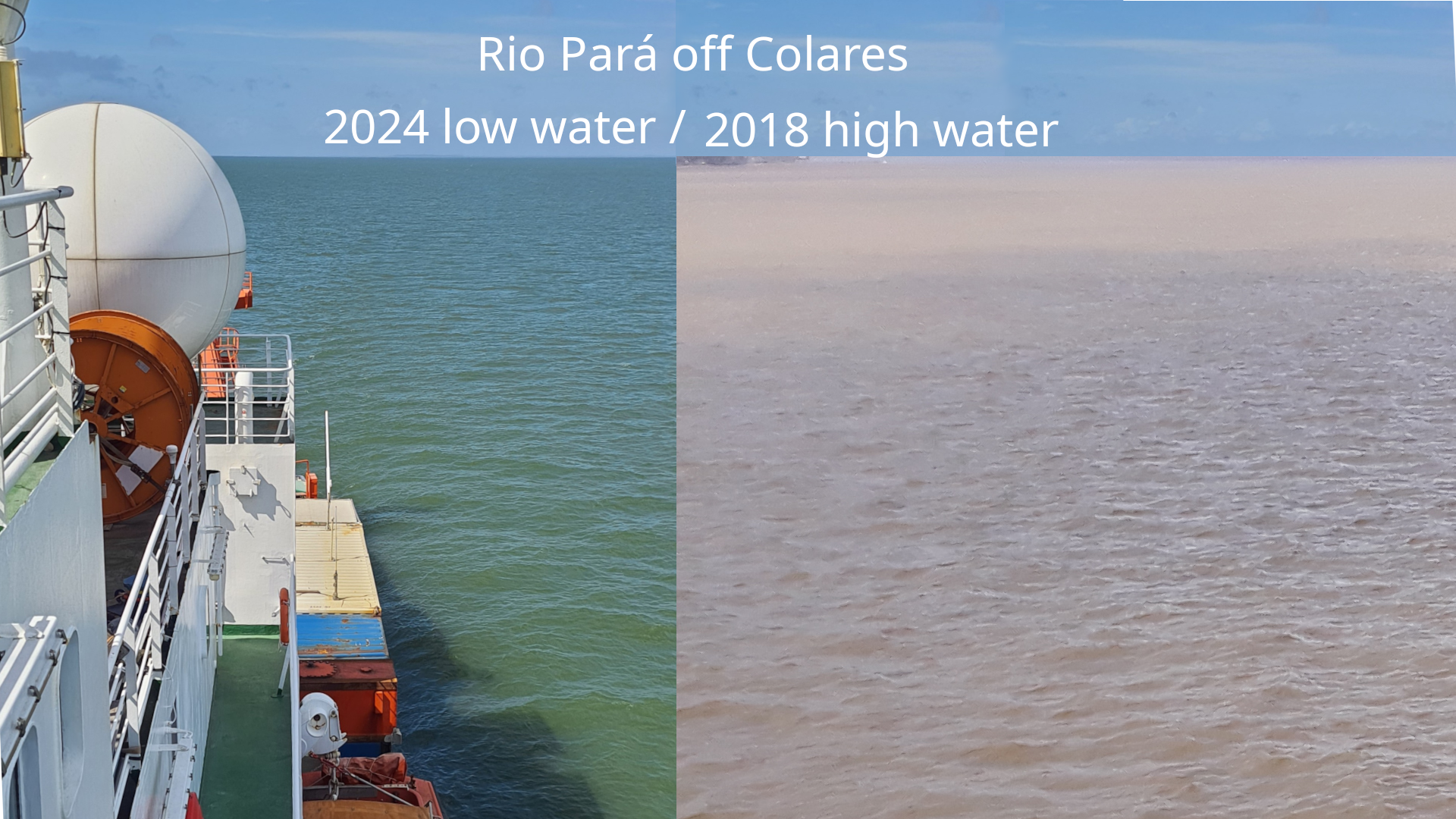
Since conducting my PhD research on the Amazon and Pará River estuary in the wet season, the river mouth, together with the mangrove belt to the south, has been an area of special interest for me. I recently participated in the land-based PROBRAL campaign to collect water from the mangroves and smaller rivers such as the Caeté (see Mud and Mosquitoes).
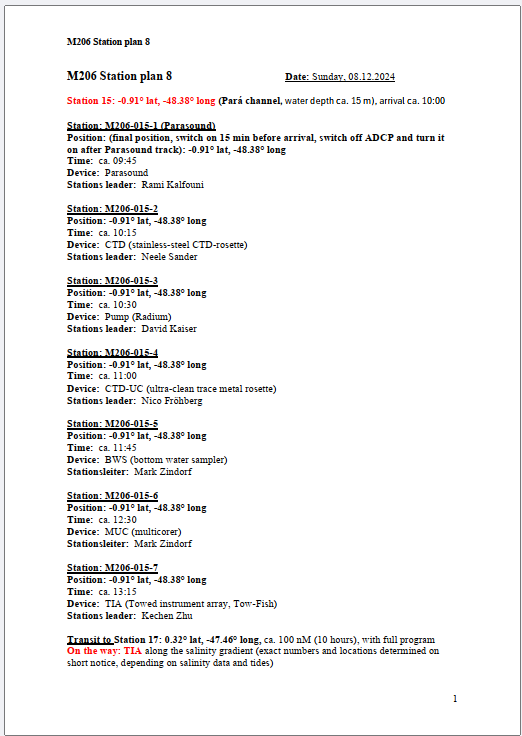
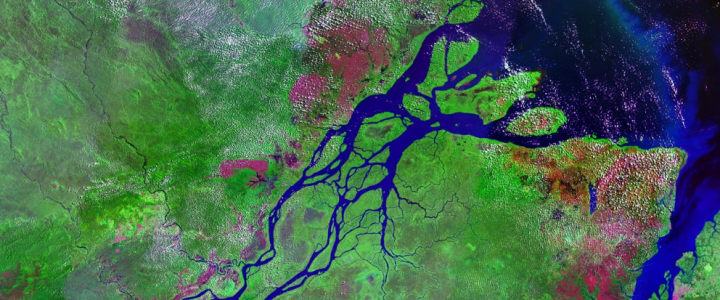
M206 will add to the results gleaned from research on previous wet-season cruises (M147 in 2018, and M174 in 2021) by gathering a much-needed dataset for the dry season, since the Amazon and Pará River flows vary dramatically in volume (from 120 000 m3/s to 240 000 m3/s for the Amazon; 38 000 m3/s to 9 000 m3/s for the Pará). We have not yet entered the Amazon River estuary itself on M206, but we see is a striking visual difference on the Pará today compared to its appearance in the 2018 wet season (April/May).
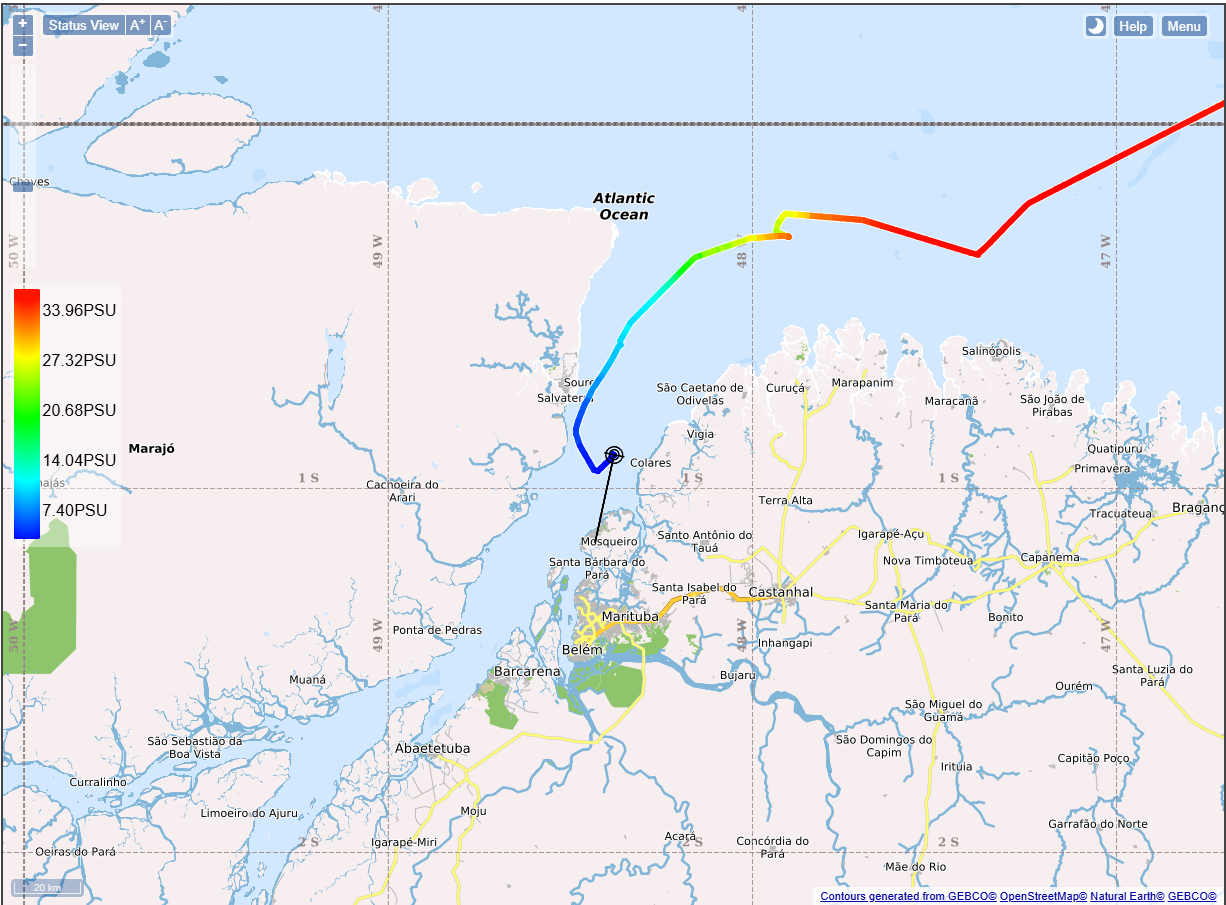
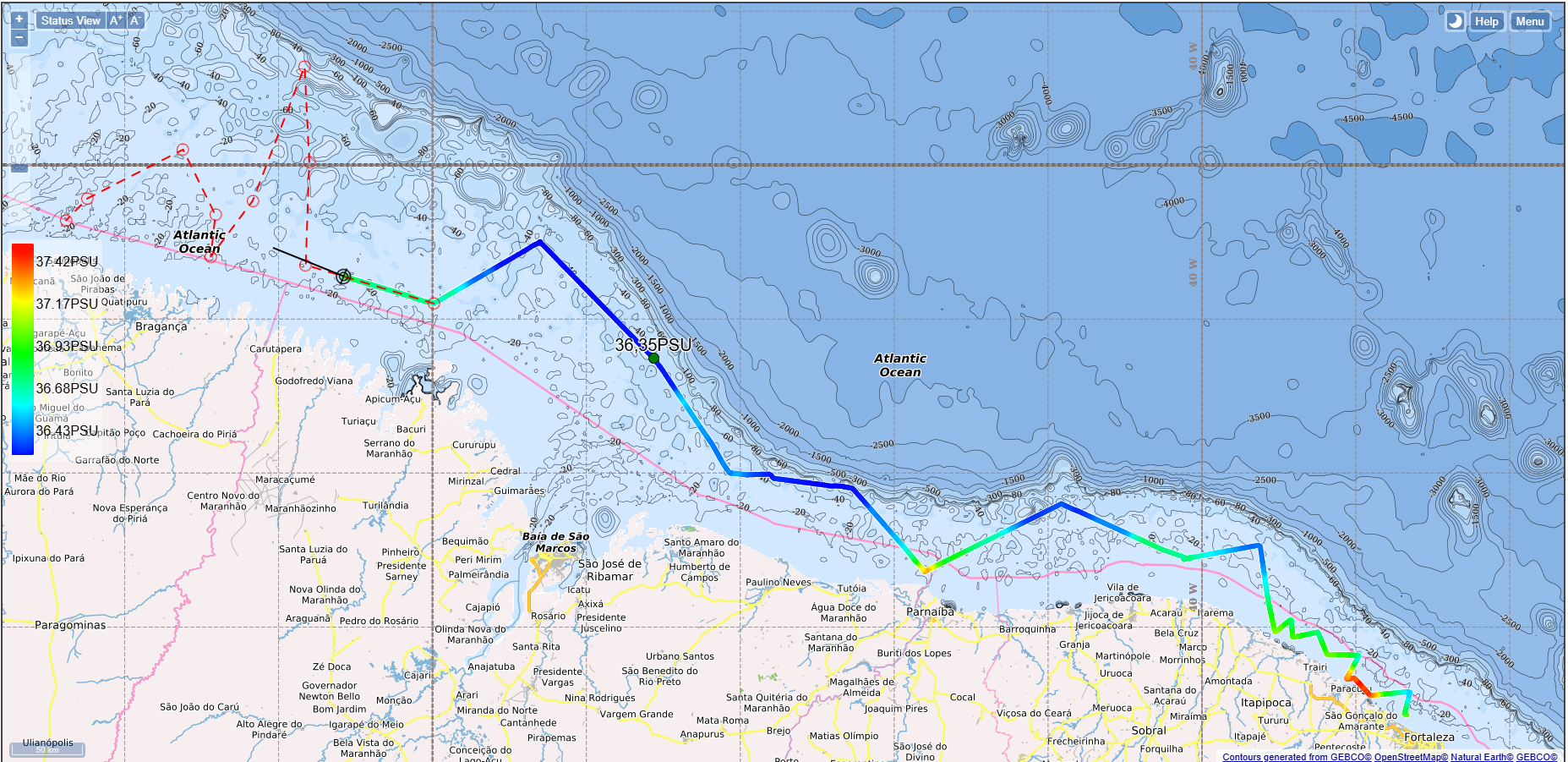
In addition, we have made a more extensive transect along the mangrove region in cruise M206 compared to M147 and M174, in some cases running parallel to the region where the PROBRAL samples were collected. The paradoxically higher salinity near the coast in the mangrove-belt region of M206 (as reported in earlier blogs) may reflect what we observed in the mangrove porewater collected during PROBRAL 2-3 weeks ago, which was sometimes much higher than seawater (up to 65 PSU).
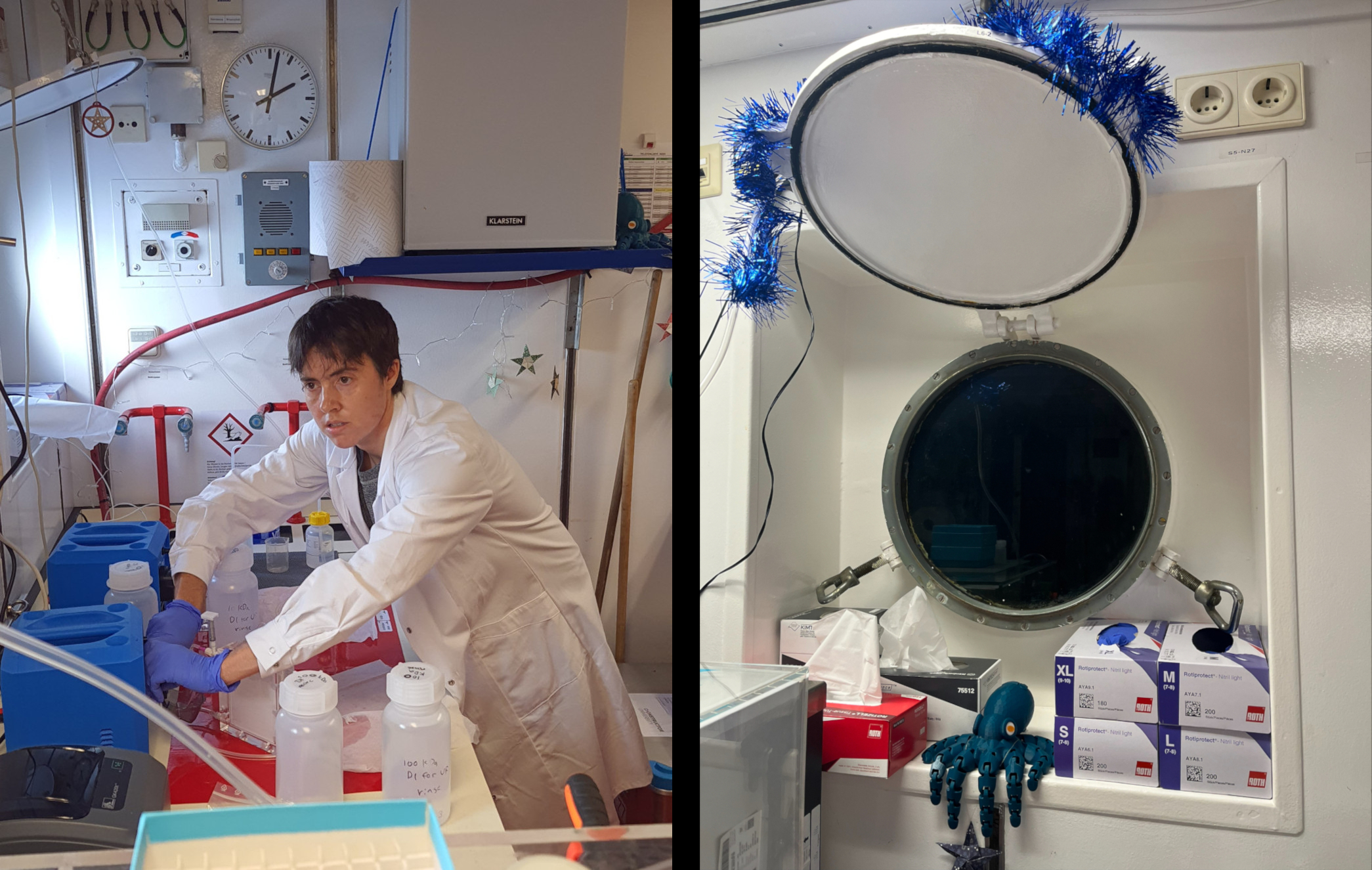
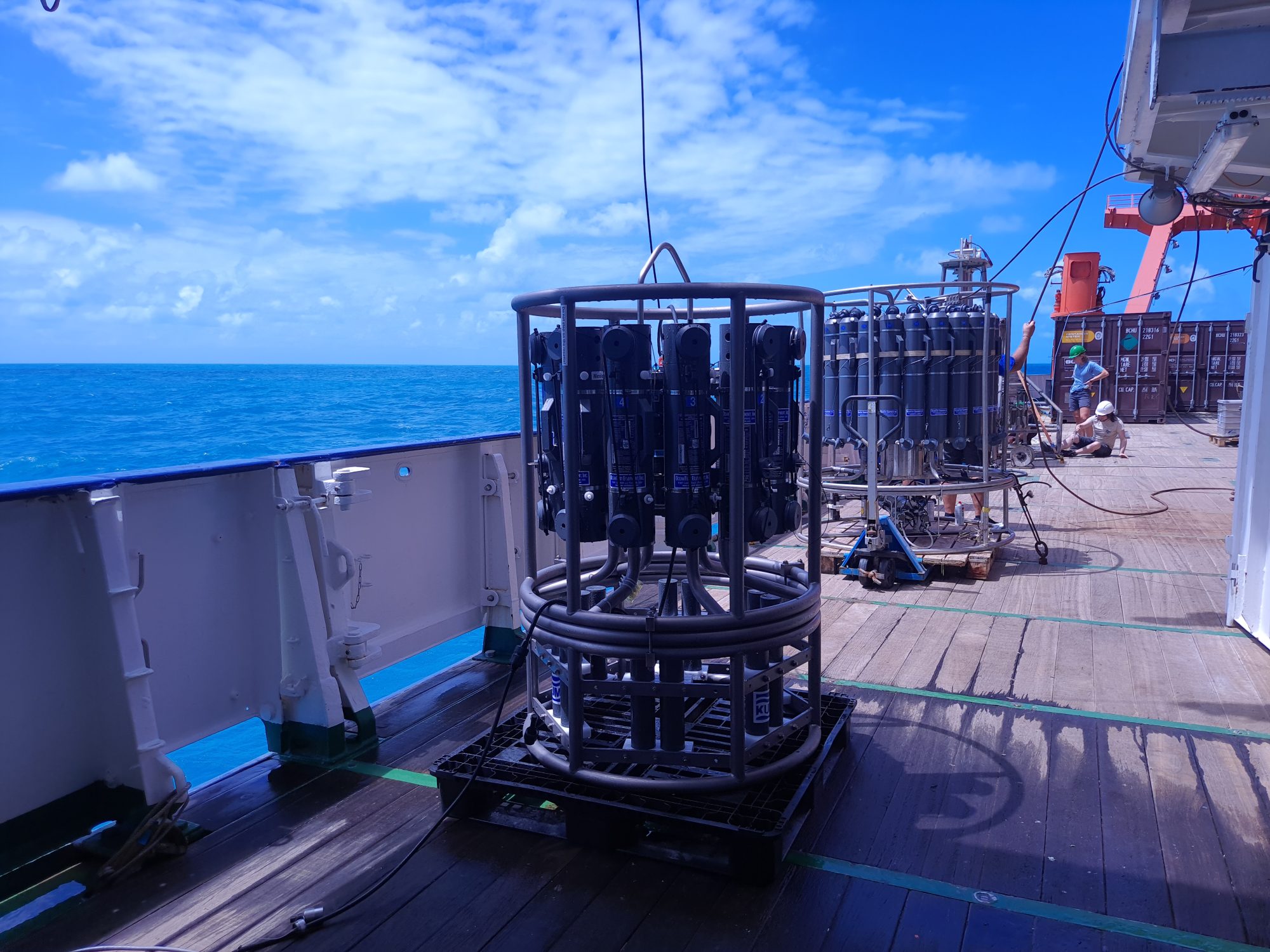
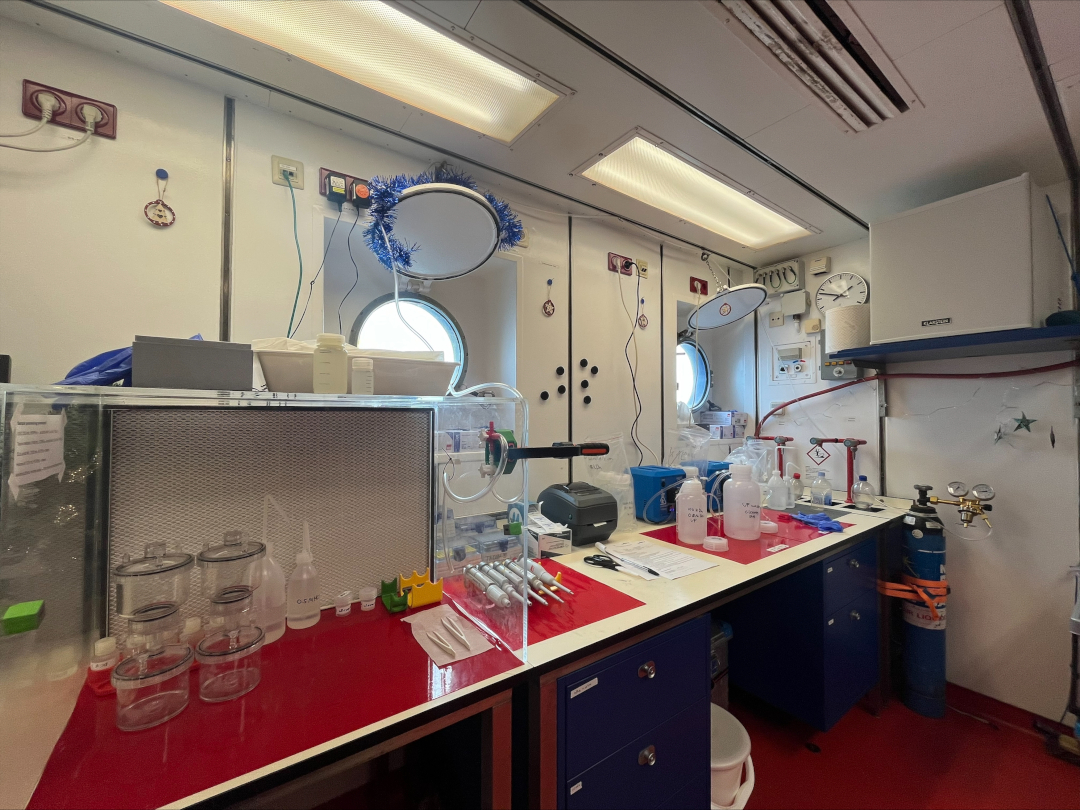
Our previous research on the Amazon-Pará estuary has focused on trace metals (Fe, Co, Ni, Cu, Zn, Cd, Pb) and metal-organic matter interaction. Metals such as Fe, Co, Ni and Zn are heavily complexed to organic matter (a.k.a. organic ligands), which can influence their solubility, toxicity, and bioavailability. In addition, metals and organic matter come in different sizes, which influences how much they remain in the water column and eventually reach the ocean during estuary mixing. On the ship lab on M206 as well as PROBRAL, my own work has focused primarily on filtering and processing seawater samples for trace metals, Cu and Ni-binding organic ligands, humic substances (a major fraction of terrestrially-derived organic ligands) and dissolved organic carbon. In addition to the samples that are already filtered by the team in the clean bubble, we also do further filtering at different pore sizes..
This data, combined with the bottom-water and MUC data, will provide a clearer picture of the processes taking place throughout the water column and salinity gradient during estuary mixing.