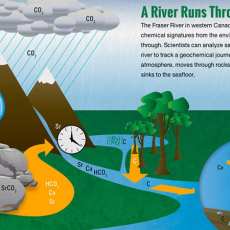
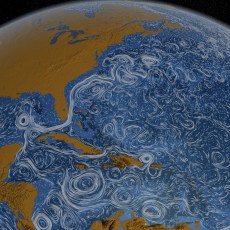
We will be navigating to the mouth of the Amazon and taking hundreds of samples of water as we go. We are looking at how the freshwater from the Amazon mixes with the sea water of the Atlantic, along what is called the ‘salinity gradient’.
We all know that the Amazon houses thousands and thousands of species of fauna and flora, some of them threatened with extinction. They include the infamous piranha, the capybara, the jaguar, the giant otter and giant anteater, the black caiman and the poison dart frog. However, at the mouth of the Amazon, little is known about the unique flora and fauna that can live in this environment where the saltiness of the water (the salinity) varies constantly with the tides and can range from 0 (no salt in the water – pure river water) to 7 or 10 on a scale where 35 is pure sea water.
Animals that can tolerate this strange environment are called ‘euryhaline’ (eury comes from the Greek, meaning ‘wide’ and haline is another word for saline), and probably the best known animal is the much-feared bull shark. A bull shark has reportedly been encountered more than 4,000km up the Amazon, but is equally at home in saltwater. Various eels are also known to tolerate salty and pure waters, and there are probably many other animals and plants that are unique to the river mouth.


The huge island at the mouth of the Amazon, Marajó, has 400 recorded species of bird, and 100 mammals. It is famous for its water buffalo, and has more buffalo than anywhere else in Brazil, with 430,000 head. It is used for an awful lot of things in Marajó, including day-to-day transport and for Police patrols, as famous explorer Pete Casey found out when he started his 7-year walk and swim up the Amazon!

Perhaps we will spot a shark or a dolphin as we approach the Amazon – bookmark us and find out!