1. …that the oceans have holes and bumps in them?
Neele Sander recently explained more to me after she had presented some of her initial observations to her colleagues aboard the RV Meteor.
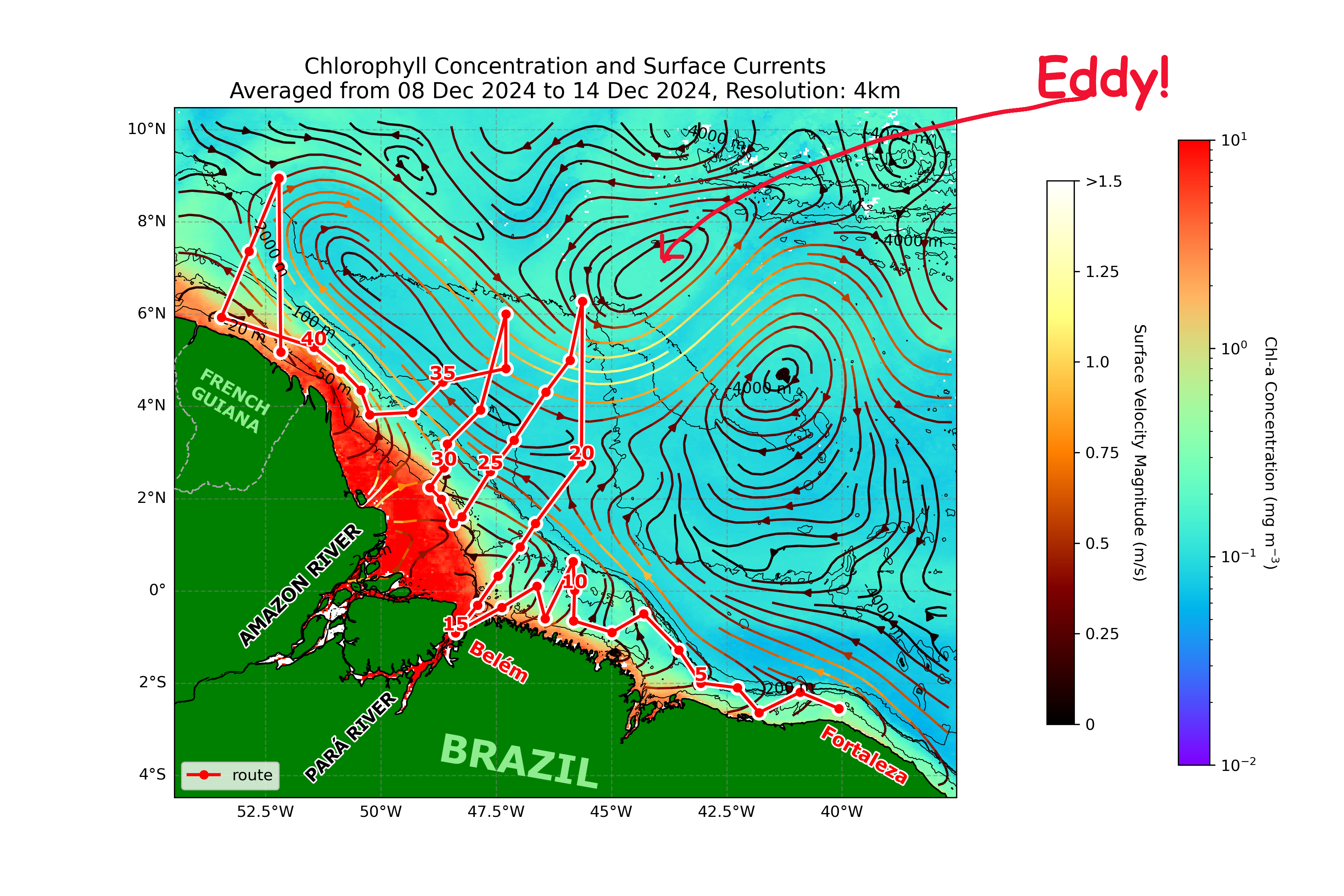
The oceans are in constant movement, and the patterns of movement are known as the currents. However, sometimes something interrupts the general flow of the currents, and the water begins to circulate in an eddy that can be very large indeed.

In her recent work for M206 Amazon-Geotraces 2, Neele observed one such eddy, which can be seen in the satellite image (right). She told me that it measured around 100km across and that, in the middle, it formed a hole (okay, a ‘depression’, of around 30cm!). The movement of the eddy where she made the observation is circular, in a counter-clockwise, or ‘anti-cyclonic’ movement; but in the southern of half of the planet it would move around the other way – clockwise, or in a cyclonic movement. She also told me that some eddies can produce a rise in the water level so that it is higher than the surrounding sea – for me, that’s definitely a ‘bump’ in the ocean.
So, next time you’re looking across the sea, remember that it’s not all just one big flat surface – it has bumps and holes in it too!
2. …that the amount of river water entering the oceans is equivalent to 1,200,000,000 1-litre bottles of water every second?
If you prefer, this is 1,200,000,000 x 31,536,000 every year, which is… a lot! The Amazon makes up a big percentage of this, and it also carries billions of tons of nutrient-rich sediment into the ocean. That’s why the Amazon-Geotraces programme is putting together as much information as possible about how river water mixes with the sea water and how it is transported around the oceans.
3. …that the oceans store an immense amount of carbon and are a vital part of our carbon cycle?
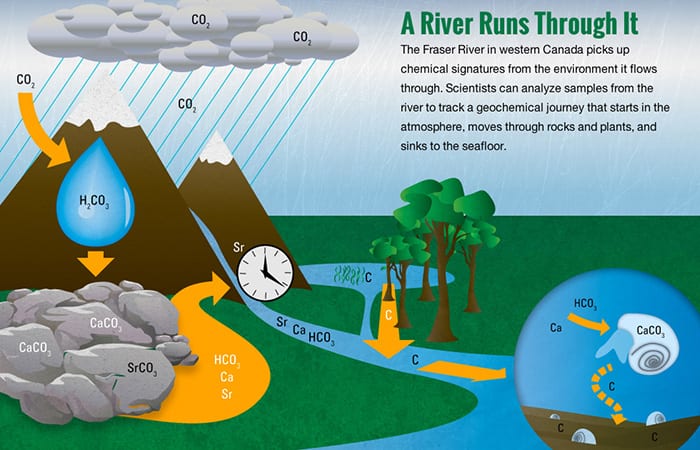
The oceans are carbon reservoirs or ‘sinks’ that help maintain the balance of the planetary carbon cycle. Carbon is both a building block for all life, and a key part of our climate. There is a lot of important work being done to understand what happens to dissolved organic matter (DOM) and the carbon it contains, that flows into the sea from rivers and other areas like mangroves.
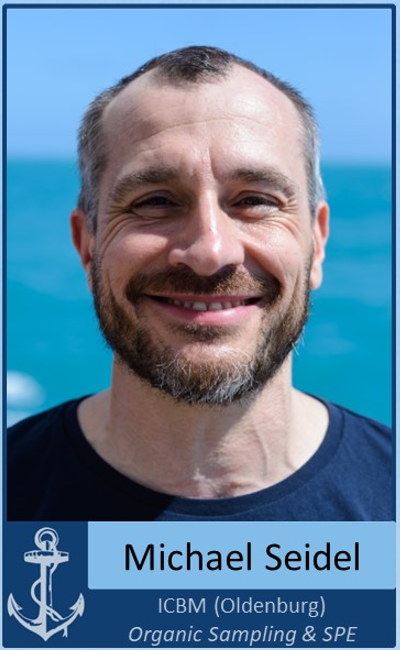
Michael Seidel, one of the scientists on the M206 Amazon-Geotraces programme, explained to me that the world’s oceans absorb and store 25% or more of our carbon emissions, and with existing carbon stores under threat from deforestation and the use of fossil fuels (forests, coal and oil deposits are are carbon sinks too), we must urgently understand what the impact of the changes will be on the ocean.
Thanks to Neele and Michael!
Now, can you put the other rivers below in the correct order for the amount of water they discharge into the oceans?

Check your answers on wikipedia or on our site here.
Don’t forget to have a look at the other resources available on our Young Learners Page