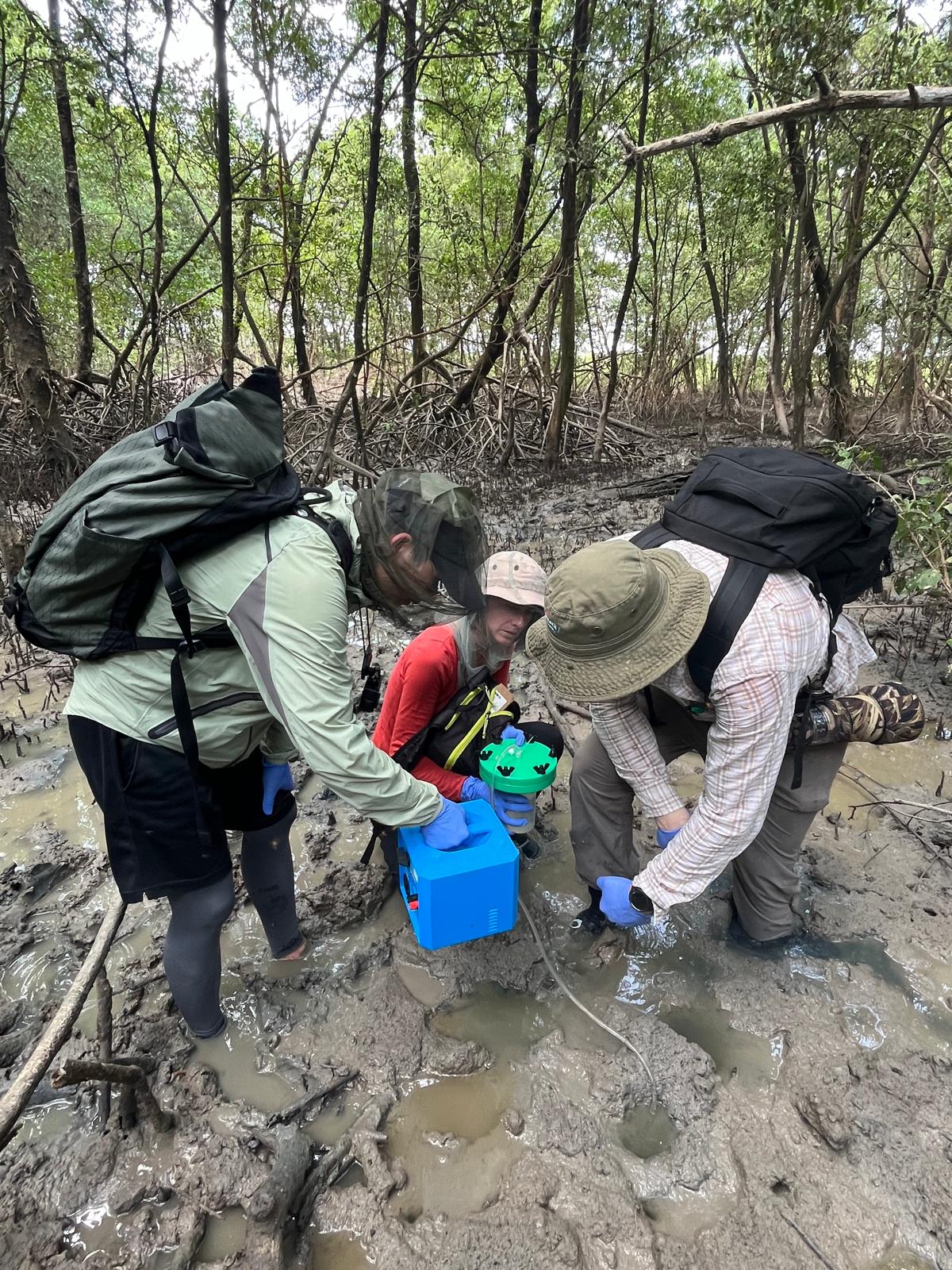
Never let it be said that scientists are afraid of getting their hands dirty. Whether it’s wading knee-deep in mud or standing waist deep-in murky waters, it’s all in a day’s work for the dedicated team of scientists of the PROBRAL project. Drawn from Germany and Brazil (Constructor University Bremen, GEOMAR, the University of Oldenburg, Universidade Federal do Pará, and Universidade Estadual do Norte Fluminense) they teamed up this month to analyse water from mangroves, rivers and estuaries in North Brazil.
Making chemistry together
Metals like copper and iron are naturally present throughout oceans, rivers and estuaries, and can act as both nutrients and toxins to living organisms. The behaviour of the metals is influenced by their size (e.g. are they large particles or dissolved?) and other components of water chemistry, such as salinity, pH (how acidic is the water?) and the presence of dissolved organic matter. Rivers and estuaries are often rich in organic (carbon-based) matter from plants and soil. Dissolved organic matter often binds to metal ions (when this happens, it’s called a “ligand”), and this can influence their bioavailability (how readily they can be taken up by living organisms).
We love Mangroves

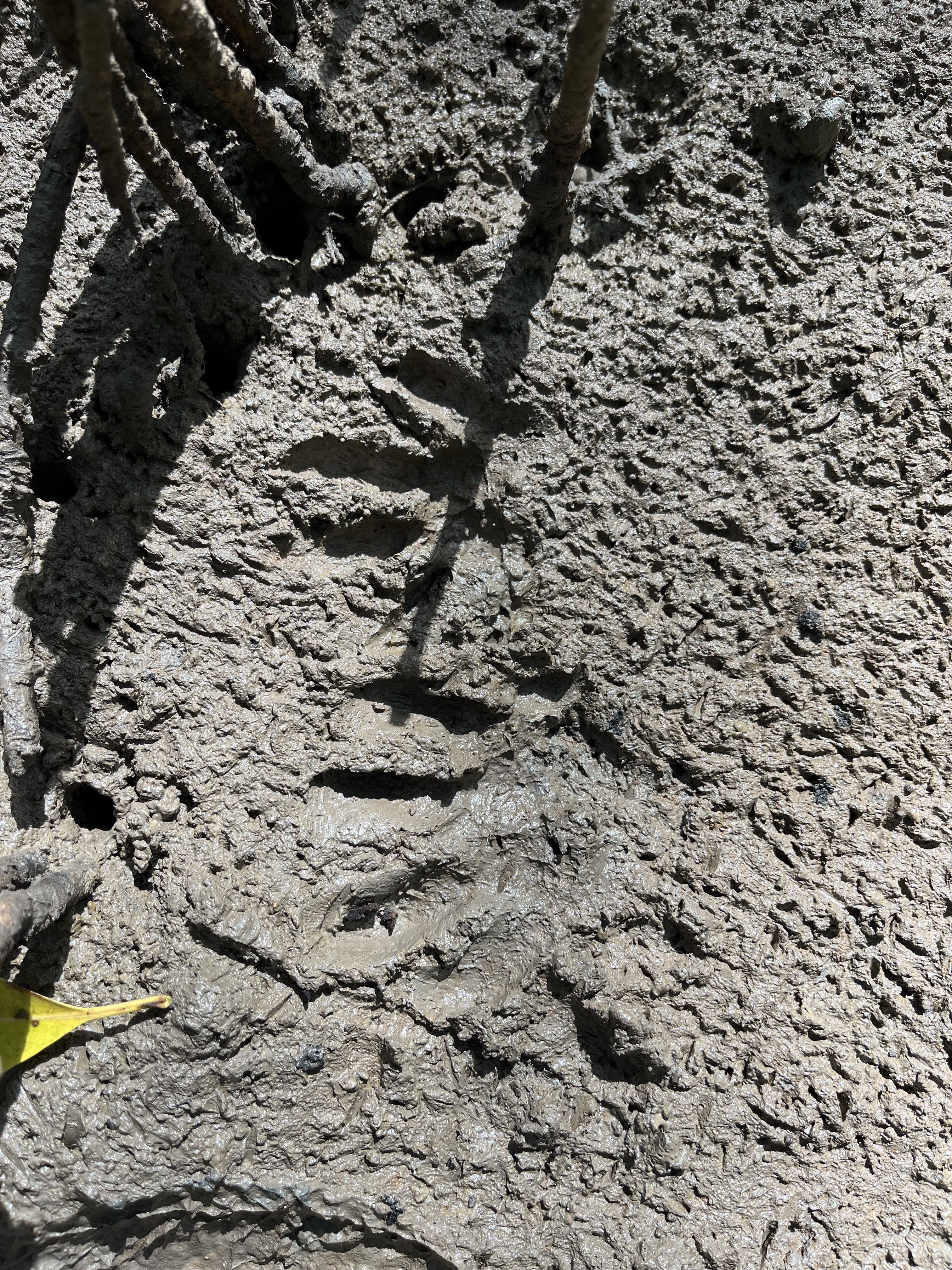
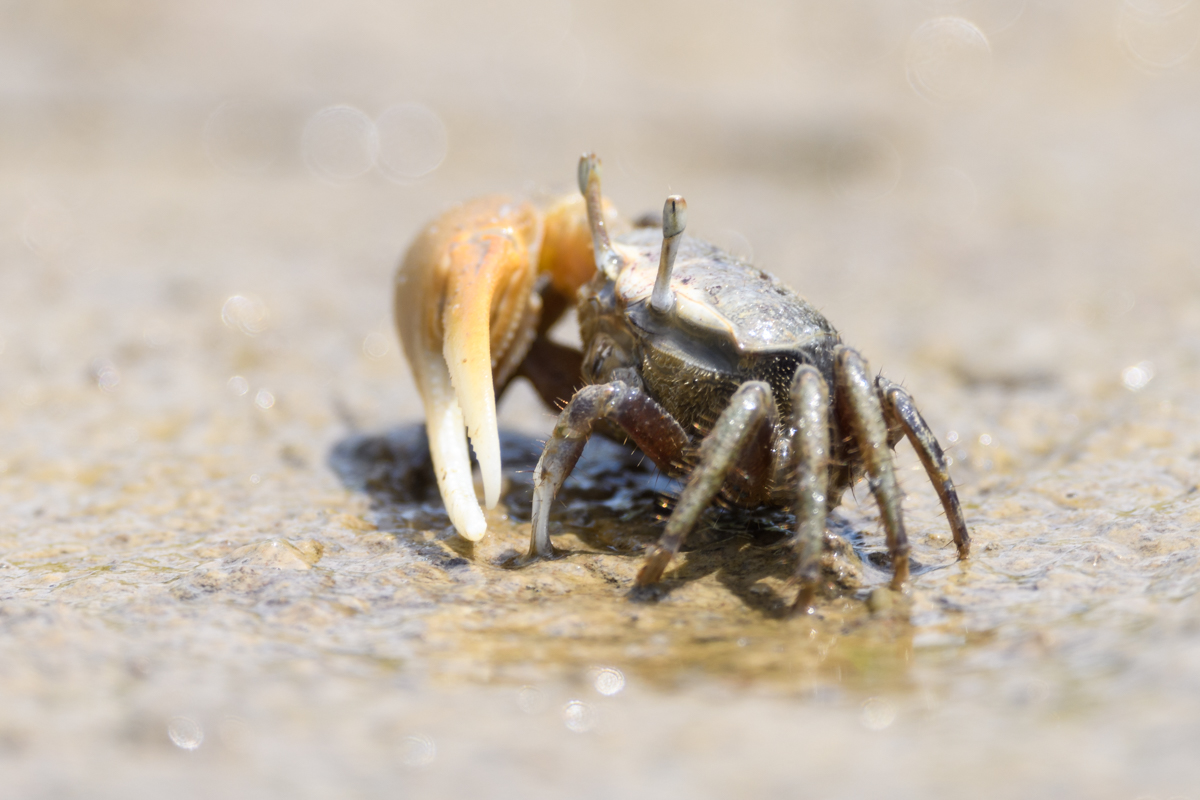
Mangrove swamps are a rich source of dissolved organic matter, nutrients and some metals. The team sampled porewater (water that collects in the ground in the tiny gaps between particles of soil) in both degraded and healthy mangroves. We sampled by digging holes and collecting the water that filled them. Even at low tide, we had to stomp through heavy mud, often sinking in to our knees. We saw lots of tiny crabs, birds, and even a monkey!
We also visited several creeks and rivers, especially the Caeté River that runs through Braganca and northern Brazil in the state of Pará. The Caeté is influenced by diurnal (twice daily) tides, resulting in salinity that changes throughout the day in the regions nearer to the coast. We sampled at multiple sites across the whole salinity gradient, from coastal waters (salinity 35, like seawater), to brackish estuary waters, and riverine freshwater (salinity 0). We sampled both by boat in the Caeté Bay, and from land in the inland rivers and creeks.
Contributing to M206
The PROBRAL campaign will generate lots of great data that will contribute to the M206 cruise, also examining trace metals and organic matter in the Amazon and Pará River estuary, as well as near coastal mangroves to the south-east.