The UNESCO Ocean Literacy Portal begins with these words:
"All the world’s oceans are connected, forming one huge body of saltwater, the Global Ocean. However, for geographical, historical and cultural factors, we usually divide it into five main ocean basins.

These are the Pacific, Atlantic, Indian, Arctic and Southern ocean basins. All together, they cover about 71% of the Earth’s surface and contain about 97% of all the water on the planet.
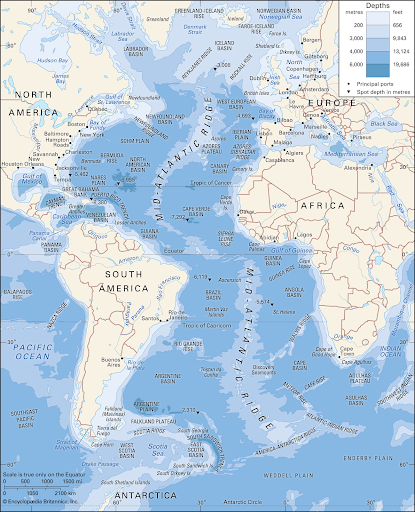
71% of the planet, it says. Nearly all the water on the planet. Difficult to imagine, right? Did you know that the oceans are up to 11,000m deep. Your local swimming pool is probably 3m at most. Have you ever climbed a ladder? A normal ladder is round 2m high, so let’s say you started climbing up from the sea bed on ladders. I bet you’d be pretty tired after climbing up the first ten, and I’m sure you’d need to take a long break after the first 100. It would need to be a long break, and you’d need some food and water to prepare yourself for the next… 5,400 ladders you’d need to climb to get to the surface!
This is why we still don’t know much about the bottom of the sea. It’s almost impossible for us to reach those depths – in fact only 3 people have ever made it to the deepest part.
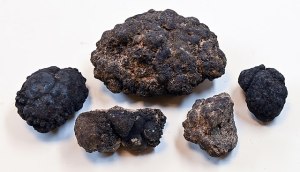
The Ocean Literacy Portal goes on to tell us about the astounding amount of resources there are under the sea – minerals like oil, gas and coal; weird (and very valuable) things like the ferromanganese nodules our Chief Scientist Andrea Koschinsky was analysing at the start of her career. These and other rocks and concretions can contain copper, zinc, nickel, gold, silver, and platinum. There are other things in there too, though, including a vast and complex range of animal and plant life and an ecosystem we barely understand.
The Geotraces programme is helping to fill some of the gaps in our knowledge, but we’ve a long way to go. We don’t yet fully understand how the oceans circulate. We’ve only mapped around 10% of the oceans. Here are a few more things to think about:
- The amount of salt in the oceans (which originates from the erosion of rocks on land) is enough to cover the whole planet in a layer nearly 200m thick.
- The ocean floor is constantly moving (a process called plate tectonics).
- The number of species living in the ocean is unknown.
- The sea level is changing over time
- The ocean regulates the earth’s climate.
The thing is, we’re going to need a lot more Geotraces-type studies and a lot more marine scientists if we are to understand and protect the oceans, and use its riches in a sustainable way. Have you thought that maybe you could be a marine scientist, exploring the oceans?
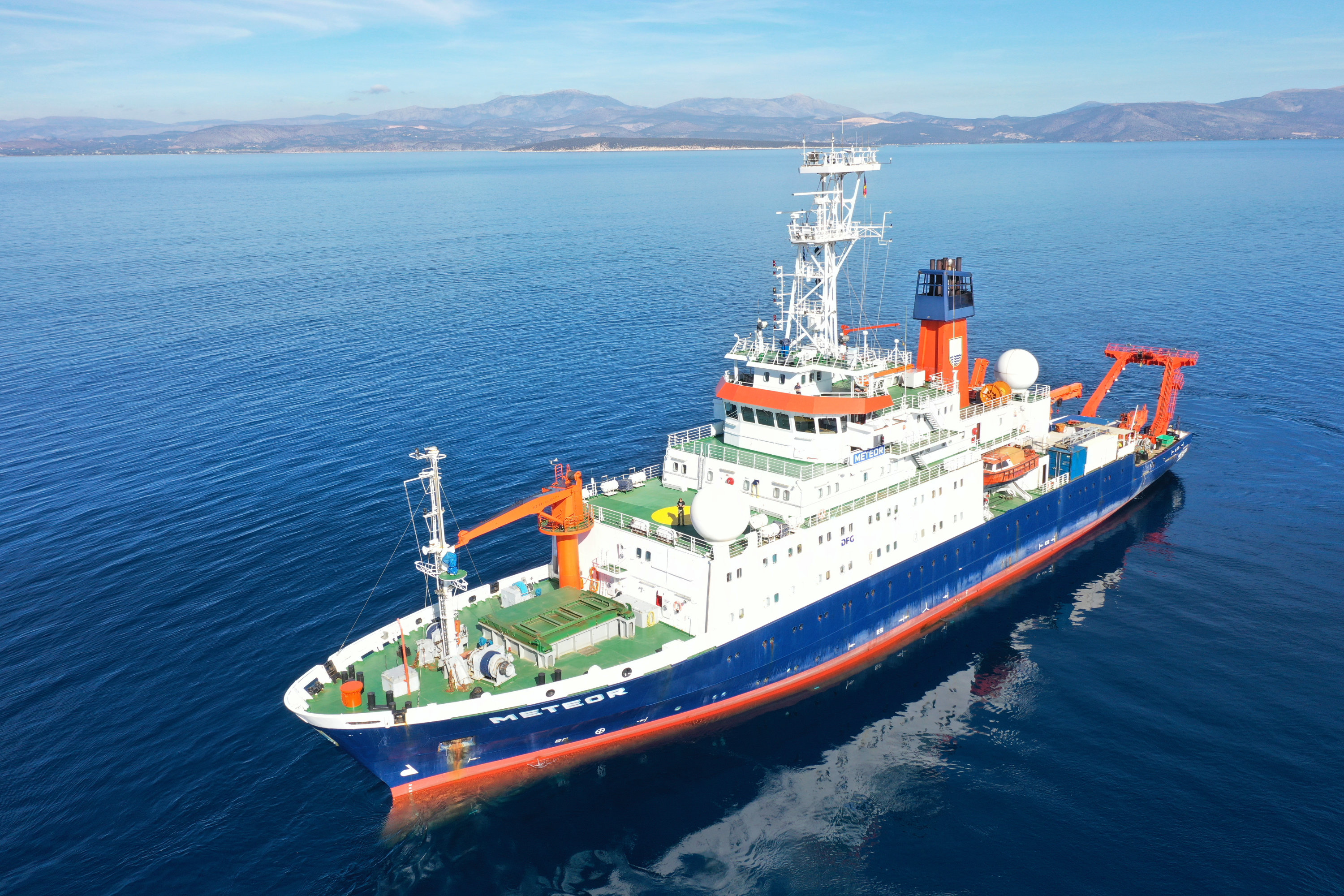
Since 2018, aboard the RV Meteor, the international project Amazon Geotraces has been looking at how the Amazon River, pouring on average 230,000 cubic metres of freshwater per second into the Atlantic, mixes with the seawater and affects the chemistry of the ocean. These studies are essential to help us learn about life in the oceans and how they circulate and how they affect our climate.
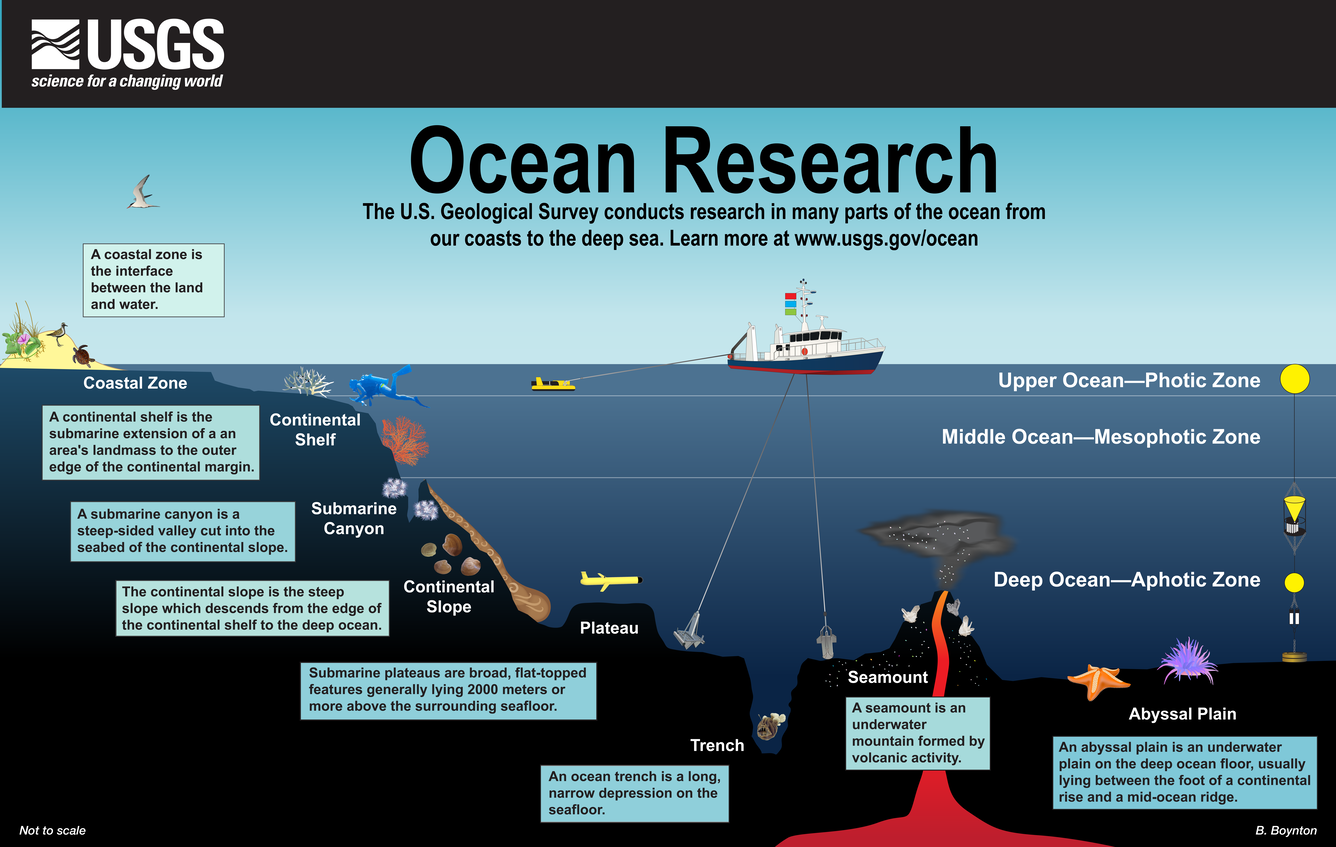
If you want to know more, take a look at the links below. They have some great resources for students and teachers alike. And when you’ve finished reading, try our Amazon Geotraces Oceans Kahoot quiz and see how much you know about the global oceans!
- Unesco Ocean Literacy – site with lots of general information and resources
- Geotraces – especially good short videos for young geo-chemists!
- USGS – pages on the Ocean. Great for infographics.